
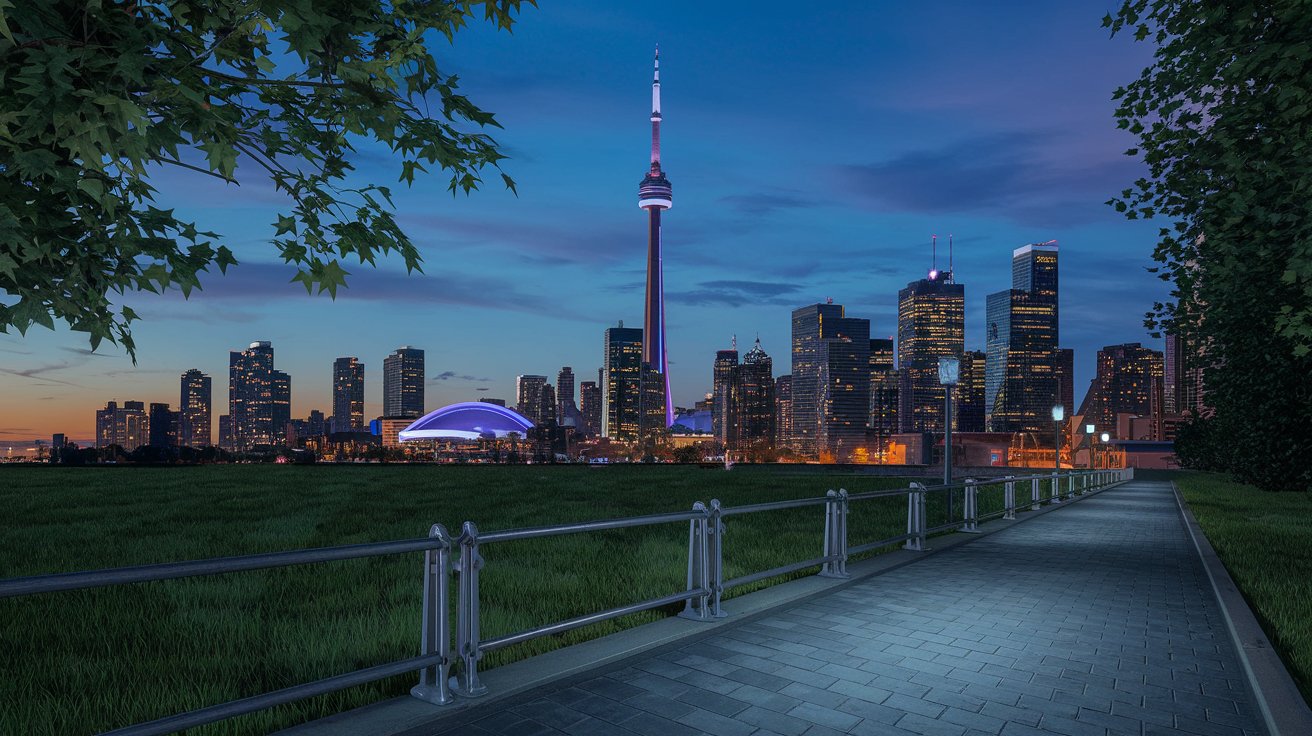
Toronto offers an incredible blend of world-class attractions, diverse neighborhoods, and cultural experiences that rival any major North American city. Whether you’re visiting for the first time in Toronto or planning a weekend getaway, this cosmopolitan metropolis delivers unforgettable moments from towering skyscrapers to hidden local gems that showcase why millions of visitors choose Toronto as their premier Canadian destination.
Must-Visit Iconic Attractions in Toronto
Toronto’s skyline-defining landmarks represent the number one attractions in Toronto that every visitor should experience. The city’s architectural marvels and cultural institutions have earned international recognition, drawing over 27 million tourists annually to witness these spectacular sites.
These premier destinations offer breathtaking views, world-class exhibits, and Instagram-worthy moments that capture the essence of Canada’s largest metropolitan area. From observation decks to interactive museums, each attraction provides unique perspectives on Toronto’s rich history and modern innovation.
CN Tower Experience and EdgeWalk Adventure
Standing 1,815 feet tall, the CN Tower remains Toronto’s most famous landmark and offers three distinct observation levels including the glass-floor lookout at 1,122 feet. The tower’s EdgeWalk experience allows thrill-seekers to walk around the exterior ledge 116 stories above ground, making it one of the world’s highest full-circle hands-free walk. Admission ranges from $38-$75 USD, with EdgeWalk experiences starting at $225 USD during 2024-2025 season.
Royal Ontario Museum’s Crystal Architecture
The ROM’s distinctive crystal-shaped addition houses over six million artifacts across natural history, world cultures, and art collections. This attraction in Toronto features dinosaur galleries, ancient Egyptian exhibits, and Canadian heritage displays that regularly rotate throughout the year. General admission costs $23 USD for adults, with special exhibitions requiring additional fees, making advance online booking recommended for 2025 visits.
Toronto’s Diverse Neighborhoods to Explore
Toronto’s 140 distinct neighborhoods each offer unique cultural experiences, from bustling markets to quiet residential streets lined with Victorian architecture. These communities represent the city’s incredible diversity, with over 200 ethnic origins calling Toronto home according to 2024 census data.
Exploring different neighborhoods provides authentic local experiences that showcase what Toronto is famous for – its multiculturalism, innovative food scenes, and vibrant street art that transforms ordinary blocks into outdoor galleries.
Kensington Market’s Eclectic Shopping and Food
This bohemian neighborhood features vintage clothing stores, international food vendors, and independent cafes packed into colorful Victorian houses. Kensington Market Toronto operates year-round with pedestrian-only Sundays during summer months, allowing visitors to freely explore over 100 unique businesses. The area’s famous cheese shops, record stores, and ethnic restaurants create an authentic Toronto experience that locals and tourists equally cherish.
Queen Street West’s Arts and Entertainment District
Stretching from University Avenue to Gladstone Avenue, Queen Street West pulses with live music venues, contemporary art galleries, and trendy restaurants that define Toronto’s creative scene. This downtown Toronto corridor hosts numerous festivals throughout the year, including Nuit Blanche and various street festivals that showcase local artists and performers. The area’s mixture of established venues and pop-up installations makes every visit unique.
Culinary Experiences and Food Scene Highlights
Toronto’s food scene reflects its multicultural population with authentic cuisines from every continent represented across the city’s 8,000+ restaurants. The city has earned recognition as North America’s most diverse food destination, with food halls, fine dining establishments, and street food vendors creating a culinary landscape that satisfies every palate and budget.
From traditional Canadian dishes to innovative fusion cuisine, Toronto’s restaurants have earned international acclaim, with multiple establishments receiving prestigious culinary awards throughout 2024-2025. The city’s famous food markets and specialty districts offer concentrated experiences for food enthusiasts.
St. Lawrence Market’s Gourmet Food Hall
Operating since 1803, St. Lawrence Market houses over 120 vendors selling fresh produce, artisanal cheeses, and international specialties under one historic roof. This famous Toronto attraction earned recognition from National Geographic as the world’s best food market, with peameal bacon sandwiches and butter tarts serving as must-try local specialties. The market operates Tuesday through Saturday, with Saturday being the busiest day featuring additional outdoor vendors.
Little Italy and Portugal Village Food Tours
College Street’s Little Italy district and Dundas Street West’s Portugal Village offer concentrated authentic dining experiences within walking distance of downtown. These neighborhoods feature family-run restaurants, gelaterias, and pastry shops that have served Toronto for decades, maintaining traditional recipes and cooking methods. Self-guided food tours typically cost $45-65 USD per person and include tastings at 4-6 establishments.
Outdoor Activities and Waterfront Adventures
Toronto’s position on Lake Ontario provides numerous water-based activities and waterfront attractions that are especially popular during the warm months from May through October. The city’s extensive park system, including over 1,600 parks and ravines, offers urban escapes just minutes from downtown’s bustling streets.
These outdoor experiences showcase Toronto’s commitment to green spaces and environmental sustainability, with many activities free or low-cost for visitors looking to experience the city’s natural beauty alongside its urban attractions.
Toronto Islands Park and Beaches
Accessible by a 15-minute ferry ride from downtown, the Toronto Islands offer car-free beaches, amusement park rides, and spectacular city skyline views. This attraction in Toronto features three main islands connected by bridges, with Centreville Amusement Park operating from May through September for families with young children. Ferry tickets cost $8.61 CAD ($6.50 USD) for adults, with beaches and walking trails free to explore once on the islands.
Harbourfront Centre and Waterfront Trail
The 56-kilometer Waterfront Trail connects multiple parks, marinas, and cultural venues along Lake Ontario’s shoreline, perfect for walking, cycling, or jogging with continuous lake views. Harbourfront Centre hosts over 4,000 free events annually, including outdoor concerts, art exhibitions, and seasonal festivals that celebrate Toronto’s cultural diversity. Bike rentals are available at multiple locations for approximately $25-35 USD per day.
Arts, Culture, and Entertainment Venues
Toronto’s cultural scene rivals major international cities with world-class theaters, museums, and music venues that host both local and international performers. The Entertainment District alone contains over 40 cultural venues within walking distance, making it possible to experience multiple shows and exhibitions during a single visit.
The city’s commitment to arts funding has resulted in numerous free and low-cost cultural experiences, ensuring that visitors can access high-quality entertainment regardless of budget constraints. Many venues offer discounted tickets for students and seniors, with rush tickets available for same-day performances.
Art Gallery of Ontario’s Impressive Collections
The AGO houses the world’s largest collection of Canadian art alongside works by Picasso, Van Gogh, and contemporary artists in a stunning building designed by Frank Gehry. This major Toronto attraction offers free admission for visitors under 25 and features rotating exhibitions that change quarterly throughout the year. General admission costs $25 USD for adults, with free admission every Wednesday evening from 6-9 PM for Ontario residents.
Distillery District’s Historic Entertainment Complex
This pedestrian-only village features cobblestone streets, Victorian industrial architecture, and over 40 boutiques, galleries, and restaurants within preserved 1832 buildings. The Distillery District Toronto hosts seasonal festivals including the Winter Festival and Summer Festival that attract hundreds of thousands of visitors annually. The district operates year-round with extended hours during festival periods, offering free entry to explore the historic streets and courtyards.
Related video about top things to do in toronto
This video complements the article information with a practical visual demonstration.
Key Questions and Answers
What is the number one attraction in Toronto?
The CN Tower stands as Toronto’s most iconic and visited attraction, welcoming over 2 million visitors annually. This 1,815-foot telecommunications tower offers multiple observation levels, dining options, and the famous EdgeWalk experience that provides 360-degree views of the city and Lake Ontario from 116 stories above ground.
What to do in Toronto for the first time?
First-time visitors should prioritize the CN Tower, Royal Ontario Museum, St. Lawrence Market, and a Toronto Islands ferry trip. These attractions provide a comprehensive introduction to Toronto’s culture, history, and natural beauty while being easily accessible from downtown hotels and offering experiences suitable for all ages and interests.
What to do in Toronto in 2 days?
A two-day Toronto itinerary should include Day 1: CN Tower, Distillery District, and Harbourfront Centre, followed by Day 2: Royal Ontario Museum, Kensington Market, and Queen Street West exploration. This combination provides cultural experiences, dining options, and iconic sightseeing opportunities while allowing time for spontaneous discoveries in different neighborhoods.
What is Toronto famous for?
Toronto is internationally recognized for its multiculturalism, with residents speaking over 200 languages, its impressive skyline anchored by the CN Tower, and its diverse food scene featuring authentic cuisines from around the world. The city is also famous for its film industry, sports teams like the Raptors and Maple Leafs, and its role as Canada’s economic center.
When is the best time to visit Toronto?
The ideal time to visit Toronto is from May through October when temperatures range from 60-80°F and outdoor attractions operate at full capacity. Summer months offer the most festivals and events, while fall provides beautiful autumn colors in the city’s parks. Winter visits can be rewarding for indoor cultural activities and holiday celebrations, though temperatures often drop below freezing.
How many days do you need to see Toronto?
Three to four days provide sufficient time to experience Toronto’s major attractions, explore several neighborhoods, and enjoy the local food scene without feeling rushed. Weekend visits can cover essential highlights, while week-long stays allow for day trips to Niagara Falls, detailed neighborhood exploration, and attendance at multiple cultural events or shows.
| Attraction Category | Top Recommendations | Best Experience Tips |
|---|---|---|
| Iconic Landmarks | CN Tower, Royal Ontario Museum | Book advance tickets, visit during clear weather |
| Cultural Districts | Distillery District, Kensington Market | Allow 2-3 hours per area, wear comfortable shoes |
| Food Experiences | St. Lawrence Market, Little Italy | Visit Saturday mornings, try local specialties |
| Outdoor Activities | Toronto Islands, Waterfront Trail | Check ferry schedules, pack sunscreen |

