
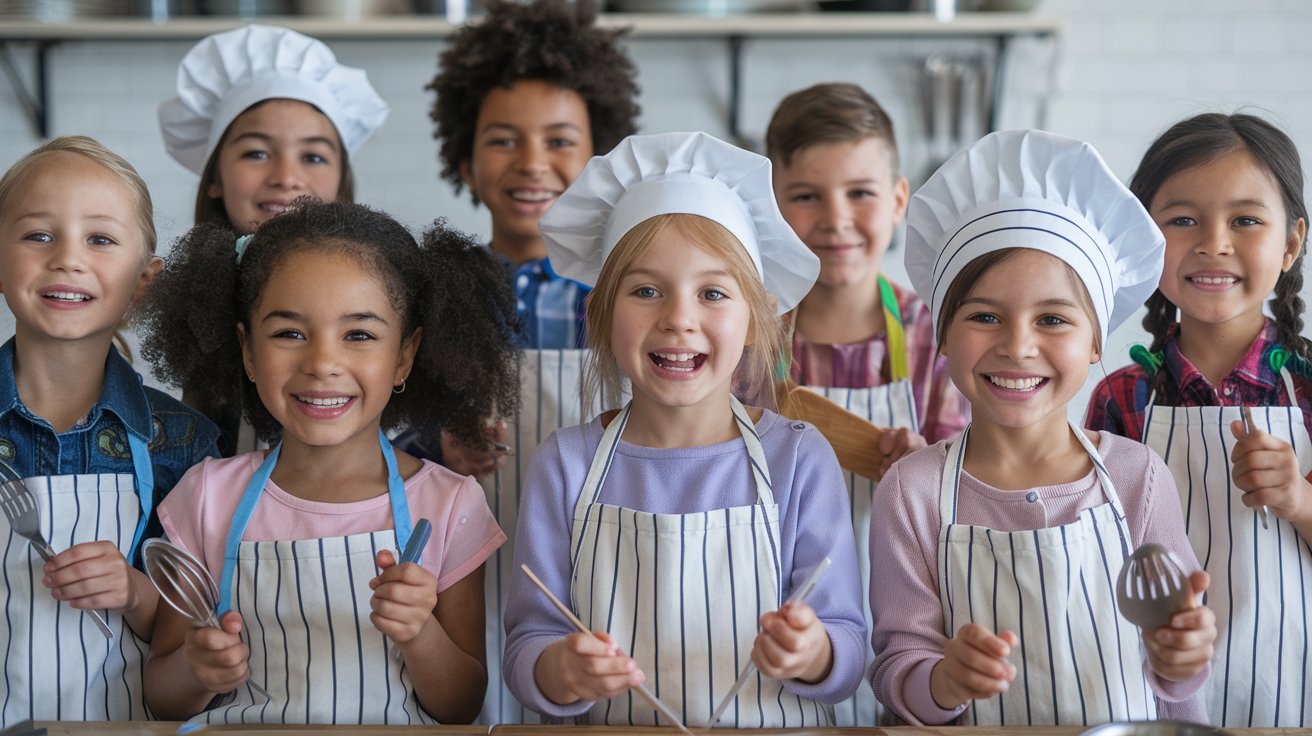
Cooking classes for kids have become increasingly popular across the United States, with over 3,000 specialized programs now operating nationwide as of 2025. These hands-on educational experiences teach children essential life skills while fostering creativity, confidence, and healthy eating habits from an early age.
What Age Should a Child Start Cooking Classes
Most cooking instructors recommend starting children in structured cooking programs between ages 4-6 years old. At this developmental stage, kids possess the necessary fine motor skills to handle basic kitchen tools safely while maintaining focus during 30-45 minute sessions. Research from the American Culinary Education Foundation shows that children who begin cooking classes before age 7 develop 40% stronger food preparation skills by adolescence.
However, the best age for cooking classes ultimately depends on individual maturity levels and interest. Some programs accommodate children as young as 3 with parent participation, while others focus on independent learners aged 8-12. The key factor is ensuring the child can follow multi-step instructions and understand basic safety protocols in kitchen environments.
Age-Appropriate Cooking Skills Development
Ages 3-5 focus on sensory exploration and basic concepts like mixing, measuring with supervision, and identifying ingredients. Cooking camps for kids in this age range emphasize fun activities such as decorating cookies, assembling no-cook snacks, and learning food colors and textures through hands-on experience.
Advanced Skills for Older Children
Children ages 8-12 can master more complex techniques including knife safety, stovetop cooking with supervision, and following complete recipes independently. Advanced cooking classes for this age group often include baking chemistry lessons, international cuisine exploration, and basic food safety certification programs.
Types of Cooking Classes Available for Kids
The United States offers diverse cooking class options for children ranging from single-day workshops to comprehensive summer programs. Local community centers, culinary schools, and specialized children’s cooking studios provide structured learning environments. Many programs categorize classes by age groups, skill levels, and specific culinary interests to ensure optimal learning experiences.
Popular class formats include weekly after-school programs, weekend workshops, holiday-themed sessions, and intensive summer camps. Virtual cooking classes gained significant popularity during 2020-2021 and continue to serve families seeking convenient at-home learning options with professional instruction and pre-delivered ingredient kits.
Local Community Programs
Community centers and recreation departments offer affordable cooking classes for kids typically ranging from $25-50 per session. These programs often focus on basic cooking skills, healthy eating education, and cultural food exploration. Many municipalities partner with local chefs and nutritionists to provide high-quality instruction at accessible price points.
Professional Culinary School Programs
Established culinary schools like Johnson & Wales University and the Culinary Institute of America offer specialized youth cooking programs during summer months. These intensive programs provide professional-grade equipment, expert instruction, and comprehensive curriculum covering technique, food science, and industry exposure for serious young culinary enthusiasts.
Are Cooking Camps for Kids Worth the Investment
According to 2024 parent surveys, 89% of families report that cooking camps provide excellent value beyond the initial cost investment. These programs typically range from $150-400 per week, depending on location, duration, and included materials. The comprehensive benefits include improved nutrition awareness, enhanced creativity, stronger math and reading skills through recipe following, and increased self-confidence in kitchen environments.
Cooking camps for kids worth the money because they deliver measurable skill development that extends far beyond culinary abilities. Participants show improved problem-solving skills, better teamwork capabilities, and greater willingness to try new foods. Many parents report reduced mealtime conflicts and increased family cooking participation following camp experiences.
Benefits of Enrolling Children in Cooking Classes
Educational benefits of cooking classes extend across multiple developmental areas including mathematics, science, reading comprehension, and cultural awareness. Children practice fraction concepts through measuring, observe chemical reactions during baking, follow sequential instructions to improve literacy, and explore global cuisines to broaden cultural understanding.
Social and emotional development flourishes in group cooking environments where children collaborate, share responsibilities, and build friendships around common interests. The sense of accomplishment from creating edible results boosts self-esteem and encourages continued learning exploration in both culinary and academic settings.
Health and Nutrition Education
Cooking classes teach children about balanced nutrition, ingredient sourcing, and the connection between food choices and physical health. Students learn to identify whole foods, understand nutritional labels, and make informed decisions about meal planning and preparation.
Life Skills and Independence
Basic cooking abilities provide essential life skills that promote independence and self-sufficiency as children mature. These classes teach time management, organization, clean-up responsibility, and budget-conscious meal planning that serve students throughout their adult lives.
How to Choose the Best Cooking Classes
Selecting appropriate cooking classes for your child requires careful consideration of several key factors including location convenience, instructor qualifications, class size ratios, safety protocols, and curriculum alignment with your child’s interests and skill level. Research local options through online reviews, facility visits, and conversations with other parents who have program experience.
Quality programs maintain instructor-to-student ratios of 1:6 or better, provide comprehensive safety training, offer age-appropriate equipment, and include take-home recipes and materials. Look for certifications from recognized culinary organizations and evidence of ongoing staff training in both cooking techniques and child development principles.
Safety Standards and Protocols
Reputable cooking programs prioritize safety through proper equipment maintenance, clear emergency procedures, allergen awareness protocols, and comprehensive insurance coverage. Instructors should hold current food safety certifications and demonstrate expertise in age-appropriate kitchen supervision techniques.
Curriculum Quality and Learning Outcomes
Effective cooking classes provide structured lesson plans, skill progression tracking, and regular parent communication about student development. Look for programs that balance fun activities with educational content and offer opportunities for students to showcase their learned skills.
Cost Analysis and Budget Considerations
The average cost of cooking classes for kids varies significantly across different program types and geographic locations. Community-based programs typically charge $30-60 per session, while specialized culinary studios range from $50-100 per class. Intensive summer camps and multi-week programs can cost $200-800 depending on duration and included materials.
Budget-conscious families should consider community center offerings, group discounts, sibling packages, and early registration incentives. Many programs offer financial assistance or scholarship opportunities for qualified families, making quality culinary education accessible regardless of economic circumstances.
Popular Cooking Themes and Seasonal Programs
Themed cooking classes capture children’s interest through focused culinary exploration of specific cuisines, holidays, or cooking techniques. Popular themes include international foods, baking and pastry arts, healthy meal preparation, and seasonal ingredient celebrations. These specialized programs allow students to develop expertise in particular areas while maintaining engagement through variety and novelty.
Many studios offer seasonal cooking programs that align with holidays, local harvest schedules, and school calendar breaks. Summer camps emphasize outdoor cooking, preservation techniques, and garden-to-table experiences, while winter programs focus on comfort foods, holiday baking, and warming cooking methods.
Related video about cooking classes for kids
This video complements the article information with a practical visual demonstration.
Key Questions and Answers
What age should a child start cooking classes?
Most children can start cooking classes between ages 4-6 when they develop sufficient fine motor skills and attention span. However, some programs accept children as young as 3 with parent participation, while others focus on independent learners aged 8-12. The best age depends on individual maturity and interest levels.
Is there cooking classes for kids near me?
Yes, cooking classes for kids are widely available across the United States through community centers, culinary schools, specialized children’s cooking studios, and recreation departments. Most metropolitan areas offer multiple program options, and many rural communities provide classes through local organizations or online virtual instruction.
Are cooking camps for kids worth the money?
According to 2024 surveys, 89% of parents report cooking camps provide excellent value. These programs typically cost $150-400 per week and deliver benefits including improved nutrition awareness, enhanced creativity, stronger academic skills, and increased self-confidence. The investment provides long-term life skills and educational advantages.
What safety measures should cooking classes have?
Quality cooking classes maintain instructor-to-student ratios of 1:6 or better, provide age-appropriate equipment, implement comprehensive safety protocols, maintain current food safety certifications, and carry adequate insurance coverage. Look for programs with clear emergency procedures and allergen awareness training.
How much do cooking classes for kids typically cost?
Cooking class costs vary by program type and location. Community programs typically charge $30-60 per session, specialized studios range from $50-100 per class, and intensive camps cost $200-800. Many programs offer discounts for siblings, early registration, and financial assistance for qualified families.
What skills will my child learn in cooking classes?
Children develop multiple skills including basic cooking techniques, food safety awareness, math concepts through measuring, reading comprehension through recipes, cultural awareness, teamwork abilities, time management, and independence. Programs also emphasize nutrition education and healthy eating habits formation.
| Age Group | Recommended Program Type | Average Cost Range |
|---|---|---|
| Ages 3-5 | Parent-child classes, sensory exploration | $25-50 per session |
| Ages 6-8 | Basic skills, community programs | $30-70 per session |
| Ages 9-12 | Advanced techniques, specialty studios | $50-100 per session |
| All Ages | Summer camps, intensive programs | $150-400 per week |
