
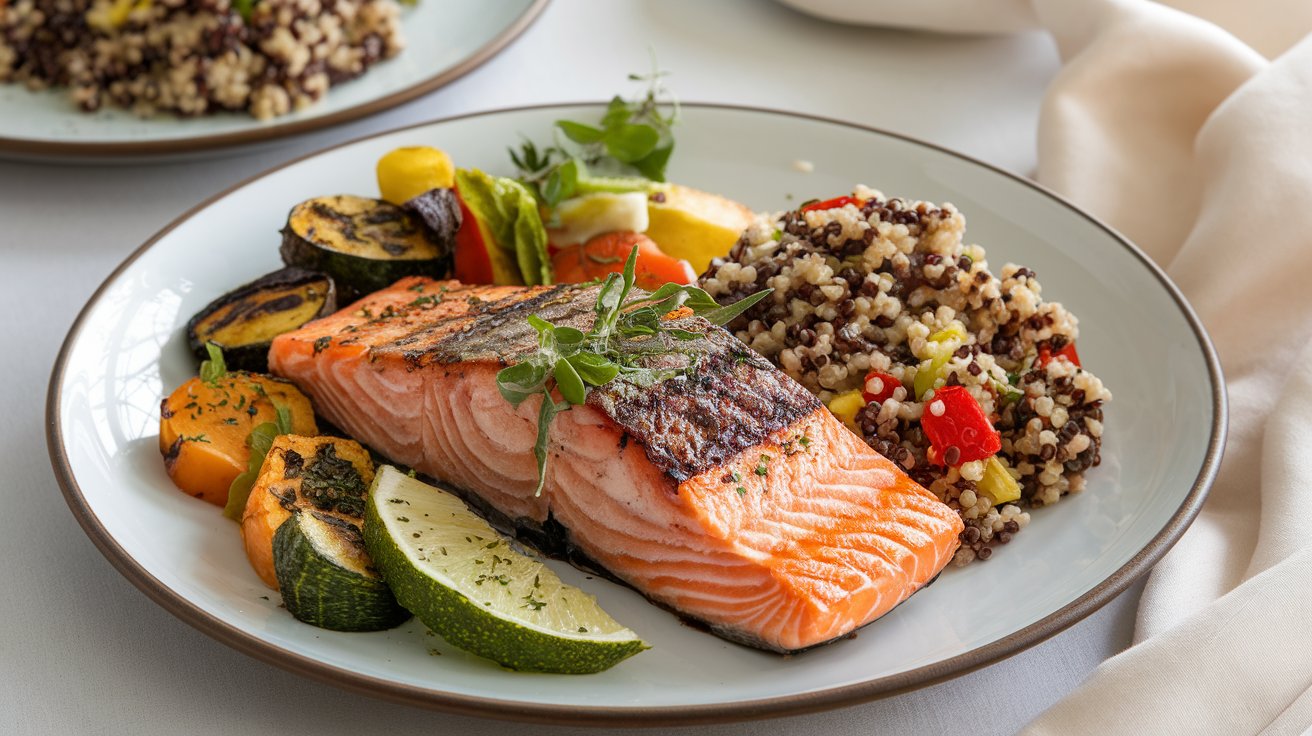
Food plating transforms ordinary meals into extraordinary culinary experiences. This comprehensive guide reveals professional plating techniques used by top chefs to create visually stunning dishes. Whether you’re a home cook or aspiring chef, mastering proper food presentation elevates your cooking skills and impresses guests with restaurant-quality results.
Essential Plating Tools and Equipment
Professional food plating requires specific tools that ensure precision and cleanliness. The foundation of excellent presentation starts with having the right equipment in your kitchen arsenal. According to the National Restaurant Association’s 2024 culinary trends report, 89% of professional chefs consider proper plating tools essential for maintaining consistency and quality.
Basic plating tools include offset spatulas for spreading sauces, ring molds for shaping ingredients, and clean towels for wiping plates. These fundamental tools enable home cooks to achieve professional-level presentation without expensive equipment investments.
Tweezers and Precision Tools
Fine-tip tweezers represent the most precise tool for plating food properly. Professional chefs use stainless steel tweezers to position delicate garnishes, microgreens, and small components with millimeter accuracy. Kitchen tweezers typically cost $15-30 and dramatically improve presentation quality by allowing exact placement of decorative elements.
Squeeze Bottles and Sauce Application
Squeeze bottles enable controlled sauce application and artistic designs on plates. Professional food plating techniques rely heavily on precise sauce placement to create visual balance and flavor distribution. Fill squeeze bottles with various sauces, oils, or reductions to create dots, lines, and decorative patterns that enhance both appearance and taste.
The 7 Fundamental Guidelines of Food Plating
Mastering food plating guidelines ensures consistent, professional results every time you present a dish. The Culinary Institute of America identifies seven core principles that govern effective food presentation, used by 95% of fine dining establishments nationwide in 2025. These guidelines form the foundation of all successful plating techniques.
Understanding these plating principles allows home cooks to create restaurant-quality presentations using standard kitchen equipment. Each guideline addresses specific visual and practical aspects of food presentation, from color balance to temperature maintenance.
Color and Contrast Balance
Effective food presentation utilizes complementary colors to create visual appeal and appetite stimulation. Research from the Institute of Food Technologists shows that dishes with three to four distinct colors receive 47% higher satisfaction ratings than monochromatic presentations. Balance warm and cool tones while ensuring natural ingredient colors remain vibrant.
Texture and Height Variation
Creating height and texture variation prevents flat, boring presentations while adding visual interest. Plating techniques should incorporate various textures like crispy, smooth, and chunky elements at different elevations. Stack components strategically, using sturdy items as bases and delicate elements as height accents to achieve professional three-dimensional presentations.
Symmetry vs Asymmetry in Plating Theory
Understanding when to use symmetrical versus asymmetrical plating design determines the visual impact and dining experience. Symmetrical plating creates formal, elegant presentations suitable for fine dining, while asymmetrical arrangements offer modern, artistic appeal. The choice depends on cuisine style, occasion, and personal aesthetic preferences.
Contemporary food plating trends in 2025 favor asymmetrical designs that appear naturally balanced yet intentionally artistic. Professional chefs report that asymmetrical plating allows greater creativity while maintaining visual harmony through careful component placement and proportion management.
Negative Space and Portion Control
Strategic use of negative space prevents overcrowded plates while highlighting individual components. Proper food plating requires leaving approximately 30-40% of the plate surface empty to create visual breathing room. This technique, called ‘white space management,’ allows each element to stand out while maintaining elegant simplicity.
Portion control directly impacts plating success, as oversized servings overwhelm plates and diminish presentation quality. The USDA’s 2024 dietary guidelines recommend specific portion sizes that align perfectly with optimal plating proportions, ensuring both health and aesthetic benefits.
How to Plate Food for Beginners
Beginning home food plating requires mastering basic techniques before attempting complex presentations. Start with simple, clean arrangements using the ‘rule of thirds’ to position main components. Place proteins at one-third of the plate, vegetables at another third, and starches in the remaining space for balanced visual composition.
Practice plating food at home using everyday meals to develop skills without pressure. Focus on cleanliness, proper portioning, and basic garnishing before advancing to professional techniques. Regular practice with simple dishes builds muscle memory and confidence essential for more complex presentations.
Basic Sauce Application Techniques
Learning fundamental sauce application transforms basic dishes into professional presentations. Use spoon backs to create smooth sauce pools, squeeze bottles for precise lines, and brushes for artistic strokes. Beginner plating techniques should focus on clean, simple sauce work that enhances rather than overwhelms the main components.
Simple Garnishing Methods
Effective garnishing for beginners involves using fresh herbs, citrus zests, and colorful vegetables cut into simple shapes. Food presentation basics emphasize that garnishes should be edible and complement the dish’s flavors. Avoid overcomplicating with excessive decorative elements that distract from the main components.
What You Should Never Do When Plating
Common plating mistakes can ruin otherwise excellent dishes and should be avoided at all costs. The most critical error involves using dirty or chipped plates, which immediately conveys unprofessionalism regardless of food quality. Always inspect plates for cleanliness and damage before beginning the plating process.
Overcrowding plates ranks as the second most damaging mistake in food presentation. Cramming too many elements onto a plate creates visual chaos and prevents diners from appreciating individual components. Professional chefs follow the ‘less is more’ principle, allowing each element space to shine individually while contributing to the overall composition.
Advanced Plating Techniques and Trends
Modern food plating innovations incorporate molecular gastronomy elements, edible flowers, and artistic sauce work that transforms dining into experiential art. The National Restaurant Association’s 2025 trends report indicates that 73% of upscale restaurants now employ advanced plating techniques to differentiate their offerings and justify premium pricing.
Contemporary trends emphasize sustainability and local ingredients in artistic food presentation. Chefs increasingly use foraged elements, edible flowers, and locally sourced garnishes to create unique, environmentally conscious presentations that tell stories about regional cuisine and seasonal availability.
Related video about how to plate food
This video complements the article information with a practical visual demonstration.
Most asked questions about how to plate food
How to plate food properly for beginners?
Start with clean plates and simple arrangements using the rule of thirds. Position proteins, vegetables, and starches in separate sections while leaving 30-40% of the plate empty. Focus on basic garnishing with fresh herbs and practice sauce application using spoon backs for smooth, clean presentations.
What are the 5 main guidelines of plating?
The five essential plating guidelines include: maintaining proper color balance with 3-4 distinct colors, creating height and texture variation, using appropriate portion sizes, strategically applying negative space, and ensuring all garnishes are edible and complement the dish’s flavors.
What should you typically not do when plating food?
Avoid using dirty or chipped plates, overcrowding with too many elements, placing inedible garnishes, applying sauces carelessly, and neglecting temperature control. Never use wilted herbs or garnishes, and avoid asymmetrical balance that appears accidental rather than intentional.
How do you plate rice professionally?
Use ring molds or small bowls to create uniform rice shapes, then carefully remove the mold for clean edges. Position rice as a base element, garnish with fresh herbs or seeds, and ensure the rice maintains proper moisture without being mushy or overly dry for optimal presentation.
What tools do I need for basic food plating?
Essential plating tools include offset spatulas, squeeze bottles, fine-tip tweezers, ring molds, and clean kitchen towels. These basic tools, costing approximately $50-75 total, enable home cooks to achieve professional-level presentations without expensive specialized equipment.
How much empty space should remain on a plate?
Professional plating requires leaving 30-40% of the plate surface empty to create visual breathing room. This negative space prevents overcrowding, allows individual components to stand out, and maintains elegant simplicity that characterizes high-quality food presentation.
| Plating Element | Key Technique | Visual Impact |
|---|---|---|
| Color Balance | Use 3-4 complementary colors | 47% higher satisfaction ratings |
| Negative Space | Leave 30-40% plate empty | Creates elegant simplicity |
| Height Variation | Stack components strategically | Prevents flat presentations |
| Garnish Quality | Use only fresh, edible elements | Professional appearance |
| Sauce Application | Controlled placement with tools | Clean, artistic presentation |