Planning what to pack for camping can make or break your outdoor adventure. This complete camping packing guide covers all essentials from the 10 must-have items to commonly forgotten gear. Whether you’re car camping or backpacking, this comprehensive checklist ensures you’re prepared for any situation while avoiding overpacking mistakes that plague 73% of first-time campers.
The 10 Essential Items Every Camper Needs
Understanding the 10 most important things to bring camping forms the foundation of successful outdoor adventures. These essentials, established by outdoor recreation organizations in 2024, include navigation tools, sun protection, insulation, illumination, first-aid supplies, fire starter, repair kit, nutrition, hydration, and emergency shelter. Each item serves multiple purposes and can mean the difference between a memorable trip and a dangerous situation.
Professional guides recommend the 3-3-3 rule for camping when organizing these essentials: you can survive 3 minutes without air, 3 days without water, and 3 weeks without food. This hierarchy helps prioritize what to pack first. Additionally, the 7 C’s of camping framework – cutting tools, covering, container, cordage, combustion, cotton, and compass – provides another systematic approach to ensure nothing critical gets left behind during your packing process.
Clothing and Personal Items for Camping Success
Determining what to pack for camping clothes requires understanding layering principles and weather adaptability. Base layers made from moisture-wicking synthetic materials or merino wool regulate body temperature effectively. Mid-layers provide insulation through fleece or down, while outer layers protect against wind and rain. Pack one extra set of everything, as wet clothes are the leading cause of hypothermia in camping situations.
Your personal items checklist should include toiletries in biodegradable formulas, prescription medications with extras, sunscreen rated SPF 30 or higher, insect repellent containing DEET or picaridin, and quick-dry towels. Don’t forget essentials like toilet paper, hand sanitizer, and personal hygiene items in waterproof containers. These items often get overlooked but significantly impact comfort levels during extended outdoor stays.
Weather-Appropriate Clothing Selection
Selecting appropriate camping clothes depends on seasonal conditions and activity levels. For summer camping, pack lightweight, long-sleeved shirts for sun protection and insect defense, along with moisture-wicking shorts and pants. Winter camping requires insulated layers, waterproof boots, warm hats, and insulated gloves. Always include rain gear essentials regardless of weather forecasts, as conditions change rapidly in outdoor environments.
Personal Care and Hygiene Essentials
Maintaining proper hygiene while camping prevents illness and enhances comfort. Pack biodegradable soap, travel-sized shampoo, toothbrush with toothpaste, deodorant, and feminine hygiene products if needed. Include a small mirror, nail clippers, and any prescription medications with extras. Personal care items should be stored in waterproof bags to prevent contamination and damage from moisture exposure during transport and storage.
Camping Equipment and Gear Fundamentals
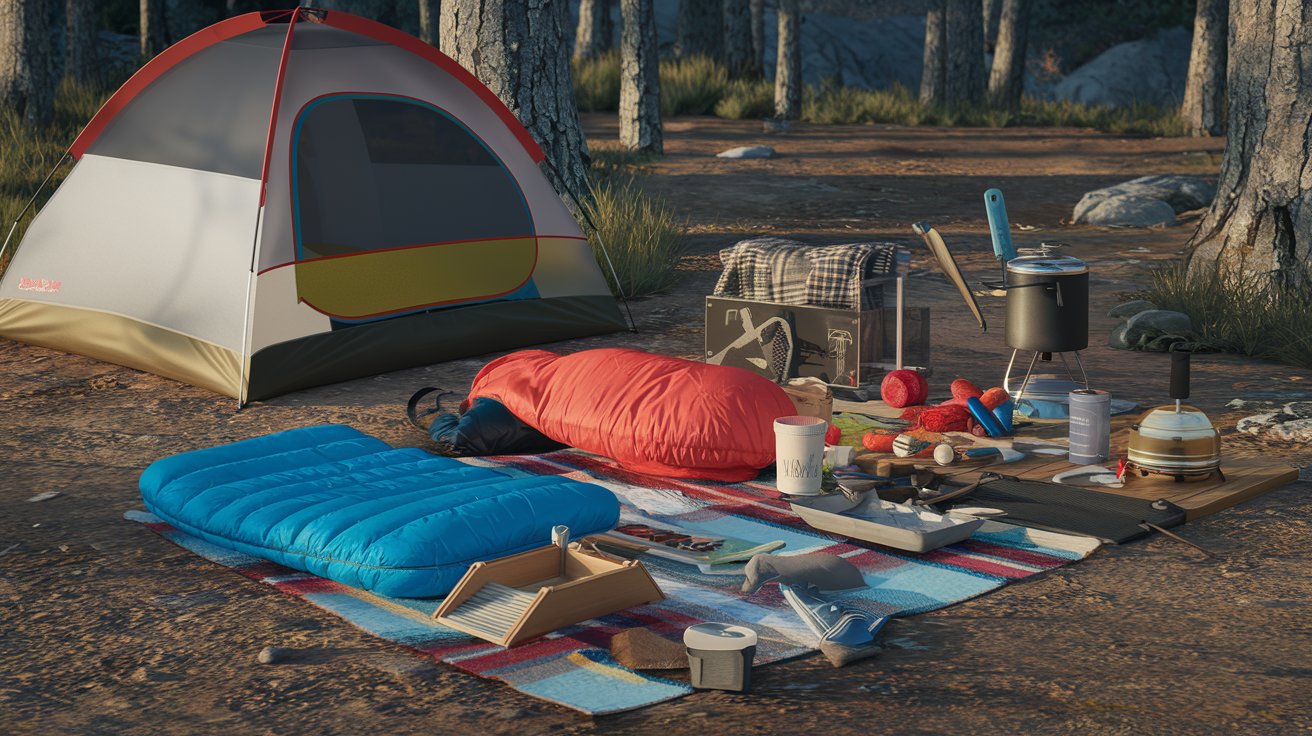
Essential camping equipment varies significantly between car camping and backpacking scenarios. Car camping allows heavier, more comfortable gear like large tents, camp chairs, coolers, and elaborate cooking systems. Backpacking requires ultralight alternatives with multi-functional capabilities. Key equipment categories include shelter systems, sleeping gear, cooking apparatus, lighting solutions, and navigation tools that work reliably in wilderness conditions.
Quality gear investments pay dividends over time through durability and performance. Tents should withstand local weather patterns with appropriate seasonal ratings. Sleeping bags must match expected temperature ranges with 10-15 degree buffers. Camping gear essentials like headlamps, multi-tools, rope, and tarps serve multiple emergency purposes beyond their primary functions, making them invaluable additions to any camping setup.
Shelter and Sleeping Systems
Your shelter system represents the most critical gear category for safety and comfort. Modern tents offer various designs including dome, tunnel, and cabin styles with different capacity ratings. Choose tents rated for one person more than your group size to accommodate gear storage. Sleeping gear essentials include appropriately rated sleeping bags, sleeping pads for insulation and comfort, and pillows or inflatable alternatives for quality rest during outdoor adventures.
Lighting and Power Solutions
Reliable illumination prevents accidents and extends usable daylight hours for camp activities. LED headlamps provide hands-free operation for cooking, reading, and navigation tasks. Backup flashlights with extra batteries ensure redundant lighting capabilities. Power solutions for camping include portable battery banks, solar chargers, and camp lanterns that create ambient lighting for group activities and safety around camp perimeters.
Food Planning and Cooking Equipment Guide
Successful food planning requires balancing nutrition, weight, storage requirements, and preparation complexity. What to pack for camping food depends on trip duration, group size, cooking facilities, and storage capabilities. Non-perishable staples include pasta, rice, canned proteins, dried fruits, nuts, and energy bars. Perishable items require proper cooler management with ice replacement strategies for extended trips.
Cooking equipment ranges from simple portable stoves to elaborate outdoor kitchen setups. Essential cooking gear includes a reliable camp stove with extra fuel, lightweight cookware, eating utensils, sharp knives, cutting boards, and cleaning supplies. Cooking equipment for car camping can include larger items like camp grills, Dutch ovens, and comprehensive spice kits that enhance meal quality and variety throughout your outdoor adventure.
Meal Planning and Food Storage
Effective meal planning prevents food waste and ensures adequate nutrition during camping trips. Plan meals requiring minimal preparation time and cleanup while providing sufficient calories for outdoor activities. Food storage essentials include coolers with ice packs, bear-proof containers in required areas, sealed storage bags, and proper food handling practices to prevent spoilage and wildlife encounters that can compromise safety.
Water Treatment and Hydration Systems
Clean water access ranks among the most critical camping considerations for health and safety. Pack water purification tablets, portable filters, or UV sterilization devices when natural water sources are available. Hydration systems should include adequate water containers, electrolyte supplements for extended activities, and backup purification methods to ensure continuous access to safe drinking water throughout your camping experience.
Safety Equipment and First Aid Essentials
Comprehensive safety preparation distinguishes experienced campers from novices. A well-stocked first aid kit should include adhesive bandages, antiseptic wipes, pain relievers, anti-inflammatory medications, antihistamines for allergic reactions, thermometer, emergency blanket, and any personal prescription medications. Include a first aid manual or emergency procedure cards for reference during stressful situations.
Additional safety equipment encompasses emergency whistles, signaling mirrors, emergency shelters, rope for various applications, and communication devices like satellite messengers in remote areas. Safety essentials for camping also include knowledge of local emergency procedures, wildlife precautions, weather monitoring capabilities, and evacuation plans that ensure quick response to changing conditions or medical emergencies.
Most Forgotten Camping Items and Prevention Tips
Research indicates that most forgotten camping items include can openers, matches or lighters, toilet paper, sunscreen, insect repellent, extra batteries, trash bags, and personal medications. These oversights occur because they seem obvious yet get overlooked during packing excitement. Creating systematic checklists and packing routines prevents these common mistakes that can significantly impact trip enjoyment.
Prevention strategies include creating category-based packing lists, conducting gear checks before departure, and maintaining a permanent camping bin with duplicate essentials. Forgotten camping essentials often include items like camp chairs, lanterns, cooking oils, salt and seasonings, duct tape for repairs, and adequate clothing layers. Double-checking these commonly missed items ensures smoother camping experiences with fewer inconveniences or safety concerns.
Car Camping vs Backpacking Packing Strategies
Car camping and backpacking require fundamentally different packing approaches due to weight and space constraints. Car camping packing strategies prioritize comfort and convenience with heavier, more luxurious gear like large coolers, camp chairs, extensive cooking systems, and comfort items. Vehicle access allows multiple trips for gear transport and larger storage solutions that enhance base camp functionality.
Backpacking demands ultralight equipment selections where every ounce matters for extended hiking distances. Multi-functional gear becomes essential, with items serving multiple purposes to minimize pack weight and volume. Backpacking essentials focus on lightweight tents, compact sleeping systems, minimal cooking gear, and streamlined personal items that maintain comfort while enabling extended wilderness travel without vehicle support or resupply options.
Seasonal Packing Variations and Climate Considerations
Seasonal camping requires specific gear adaptations for changing weather patterns and environmental conditions. Summer camping emphasizes sun protection, insect defense, cooling strategies, and increased water requirements for hot weather activities. Summer camping essentials include lightweight shelters, cooling towels, portable fans, and extended-wear sunscreen formulations that maintain effectiveness during active outdoor pursuits.
Winter camping presents unique challenges requiring specialized gear for extreme conditions. Essential winter items include four-season tents, sub-zero sleeping systems, insulated water bottles, traction devices for footwear, and emergency warming supplies. Winter camping gear must function reliably in freezing temperatures while providing adequate insulation and weather protection for extended cold exposure scenarios that demand superior equipment performance.
Related video about what to pack for camping
This video complements the article information with a practical visual demonstration.
What you should know
What are the 10 essentials when camping?
The 10 camping essentials include navigation tools (map and compass), sun protection (sunscreen and hat), insulation (extra clothing layers), illumination (headlamp and flashlight), first-aid supplies, fire starter (waterproof matches/lighter), repair kit and tools (duct tape, multi-tool), nutrition (extra food), hydration (water and purification), and emergency shelter (space blanket or bivy). These items form the foundation of safe outdoor adventures and should never be left behind regardless of trip duration or difficulty level.
What is the 3 3 3 rule for camping?
The 3 3 3 rule for camping states that humans can survive approximately 3 minutes without air, 3 days without water, and 3 weeks without food. This survival hierarchy helps prioritize packing decisions by focusing first on breathing safety (avoiding altitude sickness, carbon monoxide), then hydration systems and water purification methods, followed by adequate nutrition planning. Understanding this rule guides emergency preparedness and helps campers pack the most critical items first when space or weight limitations exist.
What are the 7 C’s of camping?
The 7 C’s of camping framework includes cutting tools (knives, saws), covering (shelter, clothing), container (water bottles, cookware), cordage (rope, paracord), combustion (fire starters, matches), cotton (tinder, bandages), and compass (navigation tools). This systematic approach ensures comprehensive packing coverage across essential categories. Each ‘C’ represents multiple gear options, allowing campers to customize selections based on specific trip requirements, skill levels, and environmental conditions while maintaining safety and functionality standards.
What is the most forgotten item when camping?
The most frequently forgotten camping item is a can opener, followed closely by matches or lighters, toilet paper, and extra batteries for electronic devices. These items seem obvious but get overlooked during packing excitement. Other commonly forgotten essentials include sunscreen, insect repellent, trash bags, and personal medications. To prevent these oversights, create detailed category-based checklists, conduct pre-departure gear checks, and maintain a dedicated camping supply bin with duplicate essentials that stay permanently packed for quick trip preparation.
How should I pack clothes for camping?
Pack camping clothes using the layering system: moisture-wicking base layers, insulating mid-layers, and weather-protective outer layers. Include one complete extra set of clothing in case items get wet. Roll clothes tightly to save space and pack in waterproof stuff sacks. Bring versatile pieces that work for multiple conditions – long pants and shirts for sun/insect protection, warm layers for temperature drops, and rain gear regardless of weather forecasts. Focus on synthetic materials or merino wool that dry quickly and maintain insulation when wet.
What food should I pack for camping?
Pack a combination of non-perishable staples and fresh ingredients based on your cooling capabilities. Non-perishables include pasta, rice, canned proteins, nuts, dried fruits, and energy bars. Fresh items require proper cooler management with adequate ice. Plan meals that require minimal preparation and cleanup while providing sufficient calories for outdoor activities. Include cooking oils, spices, and condiments that enhance flavor. Always pack extra food beyond your planned meals, and ensure proper food storage to prevent wildlife encounters and spoilage during extended trips.
| Packing Category | Essential Items | Key Benefits |
|---|---|---|
| Safety Essentials | First aid kit, navigation tools, emergency shelter | Prevents emergencies, ensures safe return |
| Clothing System | Layering pieces, rain gear, extra socks | Temperature regulation, comfort, dry feet |
| Shelter & Sleep | Tent, sleeping bag, sleeping pad | Weather protection, quality rest, insulation |
| Food & Water | Cooking system, water treatment, meals | Proper nutrition, hydration, energy maintenance |