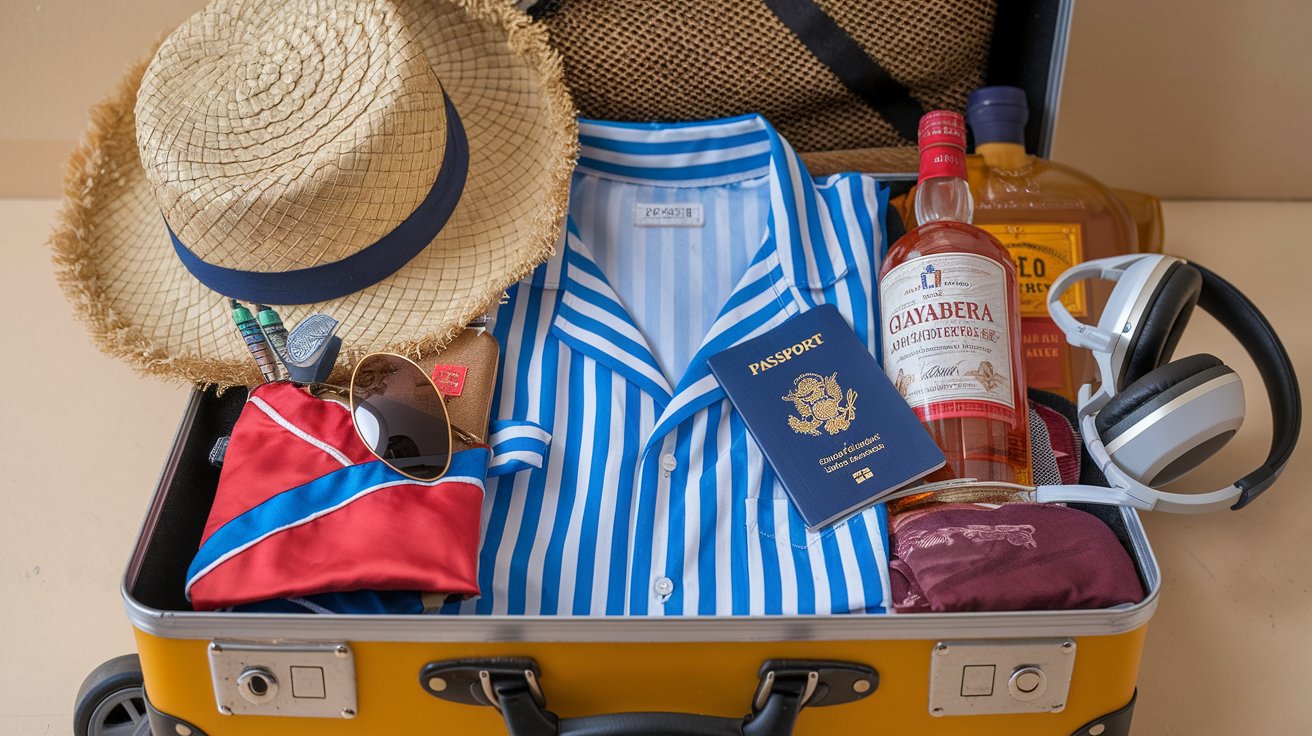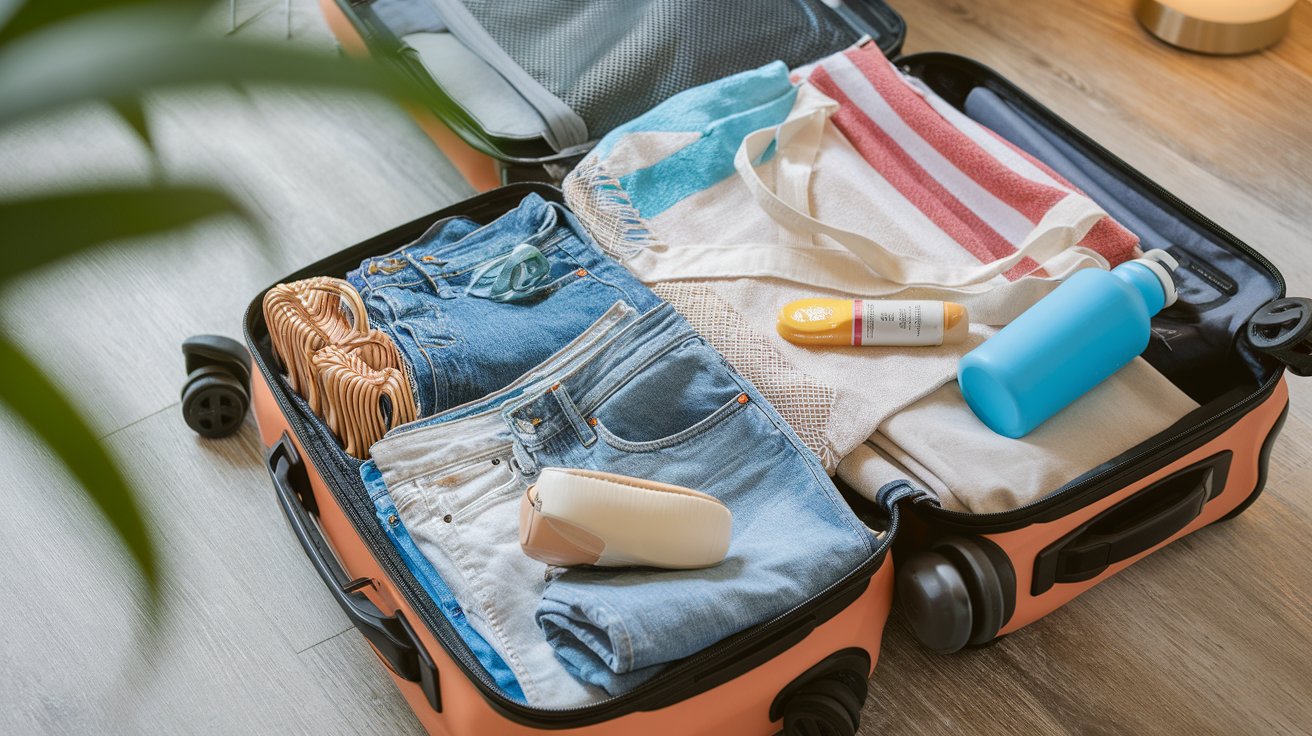
Planning your Hawaiian vacation requires strategic packing to maximize comfort while minimizing luggage weight. This comprehensive guide covers everything you need to pack for Hawaii, from essential clothing items to beach gear, ensuring you’re prepared for tropical adventures without overpacking. Whether you’re visiting for a week or planning a December trip, these expert recommendations will help you create the perfect Hawaii packing list.
Essential Clothing for Hawaii’s Tropical Climate
Hawaii’s year-round warm climate requires lightweight, breathable clothing that can transition from beach activities to casual dining. The average temperature ranges from 70-85°F throughout the year, making it essential to pack for Hawaii with versatile pieces that offer sun protection and comfort. Cotton, linen, and moisture-wicking fabrics work best in the humid tropical environment.
Avoid heavy materials like denim and wool, which can become uncomfortable in Hawaii’s humidity. Instead, focus on quick-dry materials that can handle multiple activities and easy washing. A typical Hawaii packing list for a week should include 5-7 lightweight tops, 3-4 bottoms, and versatile layering pieces for air-conditioned spaces and evening activities.
Hawaii Packing List Female Essentials
Women should prioritize flowy sundresses, lightweight cardigans, and comfortable sandals when creating their Hawaii packing list female essentials. Pack 2-3 versatile dresses that work for both daytime sightseeing and sunset dinners. Include a light jacket or pashmina for air-conditioned restaurants and shopping centers, where temperatures can drop to 65-70°F.
What to Pack for Hawaii Male Travelers
Male travelers should focus on breathable shirts, lightweight shorts, and versatile footwear. Polo shirts and button-down linen shirts work well for casual dining, while athletic shorts and swim trunks handle beach and water activities. Avoid bringing heavy sneakers or boots unless planning extensive hiking – lightweight walking shoes suffice for most Hawaiian adventures and help you not look like a tourist.
Beach and Water Activity Essentials
Hawaii’s pristine beaches and crystal-clear waters are major attractions, requiring specialized gear for optimal enjoyment and safety. Pack multiple swimsuits to ensure you always have a dry option, as the tropical humidity means items take longer to dry. A high-quality, sand-resistant beach towel saves space and performs better than regular towels in Hawaii’s coastal environment.
Water shoes are essential for rocky beaches and coral areas, protecting your feet while snorkeling or exploring tide pools. Choose mesh or quick-dry styles that won’t trap sand and can double as shower shoes. An underwater camera captures Hawaii’s incredible marine life, while a waterproof phone case protects your device during water activities and unexpected rain showers.
Sun Protection and Beach Comfort
Hawaii’s UV index frequently reaches 10-12 (very high to extreme), making comprehensive sun protection crucial. Pack reef-safe sunscreen with SPF 30 or higher – Hawaii banned harmful chemicals like oxybenzone and octinoxate in 2021. A wide-brimmed hat and UV-protective rash shirt provide additional coverage during extended beach activities.
Snorkeling and Water Sports Gear
While rental options exist, bringing your own snorkel mask ensures proper fit and hygiene. Pack a mesh bag for wet gear and beach finds, plus a dry bag for electronics and valuables. Water shoes with good grip prevent slips on wet rocks and protect against sea urchins common around Hawaiian reefs.
Seasonal Packing Considerations for Hawaii
While Hawaii enjoys consistent temperatures year-round, seasonal variations affect what you should pack. Understanding these patterns helps optimize your luggage for comfort and preparedness during your specific travel dates.
What to Pack for Hawaii in December
December represents Hawaii’s cooler, wetter season with temperatures ranging from 68-80°F and increased rainfall. When determining what to pack for Hawaii in December, include a light rain jacket, extra layers for cooler evenings, and waterproof sandals. This is still beach weather, but you’ll want long pants and sleeves for comfort during rain showers and mountain excursions.
What to Pack for Hawaii in October
October offers ideal Hawaiian weather with minimal rainfall and temperatures averaging 72-84°F. What to pack for Hawaii in October focuses on lightweight summer clothing with minimal rain gear needed. This represents peak beach weather, so prioritize swimwear, shorts, and breathable fabrics while packing minimal heavy items.
Family Travel: What to Pack for Hawaii with Kids
Traveling to Hawaii with children requires additional planning and specialized items to ensure comfort and safety for the whole family. Kids need extra sun protection, entertainment for travel days, and comfort items for sleeping in unfamiliar environments. Pack children’s reef-safe sunscreen, UV-protective swimwear, and plenty of backup clothing for messy beach days.
When considering what to pack for Hawaii with kids, include familiar snacks for picky eaters, as Hawaiian grocery prices can be 30-50% higher than mainland US prices. Bring portable entertainment for flights and rainy day activities, plus any special medications or comfort items that might be difficult to find in Hawaii. Travel-size laundry detergent helps manage the increased clothing needs that come with active children in beach environments.
Electronics and Travel Technology
Modern Hawaii travel benefits from smart packing of electronics and technology that enhance your experience while protecting valuable devices from tropical conditions. A portable charger is essential for long beach days and hiking excursions, as many Hawaiian beaches and trails lack power outlets. Waterproof phone cases protect against unexpected waves, rain showers, and poolside accidents common during Hawaiian vacations.
Pack a universal adapter if staying in older accommodations, though most modern Hawaiian hotels use standard US outlets. A Bluetooth speaker enhances beach picnics and sunset watching, while a portable fan provides extra comfort during particularly humid days or in accommodations with limited air conditioning.
Footwear Strategy for Hawaiian Adventures
Choosing the right footwear for Hawaii requires balancing comfort, versatility, and practicality across diverse activities from beach lounging to volcanic hiking. Most visitors need only 2-3 pairs of shoes maximum: comfortable walking sandals, water-friendly shoes, and one pair suitable for nicer restaurants or cultural sites.
Flip-flops work for basic beach access but lack support for extended walking on Hawaiian sidewalks and trails. Invest in quality walking sandals with arch support and adjustable straps that won’t cause blisters during long sightseeing days. Many Hawaiian activities involve getting feet wet, so quick-dry materials perform better than leather or fabric options.
Money-Saving Packing Tips and Budget Considerations
Strategic packing helps manage Hawaii’s higher cost of living while ensuring you have everything needed for a comfortable vacation. Hawaii’s remote location means most goods cost 15-30% more than mainland prices, making it worthwhile to pack certain items from home rather than purchasing upon arrival.
Many visitors wonder is $1000 enough for a week in Hawaii – the answer depends heavily on what you pack versus purchase locally. Bringing reef-safe sunscreen, basic medications, and favorite snacks can save $100-200 during a typical week-long stay. Pack a reusable water bottle to avoid $3-5 bottled water purchases, and consider bringing a small cooler for beach picnics and storing leftovers from large restaurant portions.
Cultural Respect and Local Etiquette Through Clothing
Dressing appropriately in Hawaii shows respect for local culture and helps visitors blend in with the island lifestyle rather than standing out as tourists. Understanding how to dress in Hawaii and not look like a tourist involves choosing understated, functional clothing over flashy vacation wear and avoiding stereotypical “Hawaiian” prints that locals rarely wear.
Locals prefer solid colors and simple patterns over loud tropical prints, and many wear athletic or casual clothing for daily activities. Avoid wearing expensive jewelry or displaying obvious tourist accessories like fanny packs or matching family vacation shirts. Choosing modest clothing for visits to cultural sites and temples demonstrates respect for Hawaiian traditions and sacred spaces.
Luggage and Packing Organization
Efficient luggage organization maximizes space while keeping essentials accessible during your Hawaiian adventure. Most airlines allow 50-pound checked bags, but Hawaiian travel benefits from lighter packing due to increased walking, beach activities, and potential inter-island flights with stricter weight limits.
Use packing cubes to organize clothing by activity type and compress bulky items like towels and jackets. Rolling clothes instead of folding saves 30% more space and reduces wrinkles in humid Hawaiian conditions. Pack one outfit and essential toiletries in your carry-on bag to handle delayed luggage – a common issue during peak Hawaiian travel seasons when flights frequently operate at capacity.
Related video about what to pack for hawaii
This video complements the article information with a practical visual demonstration.
FAQ – Common Questions
What should I pack for 7 days in Hawaii?
For a 7-day Hawaii trip, pack 5-7 lightweight tops, 3-4 bottoms, 2-3 swimsuits, comfortable walking sandals, water shoes, reef-safe sunscreen, a light jacket, and beach essentials. Focus on versatile pieces that work for multiple activities. Include quick-dry fabrics and avoid heavy materials like jeans or wool.
Is $1000 enough for a week in Hawaii?
Yes, $1000 can cover a week in Hawaii if you pack strategically and make smart spending choices. Bringing essentials like sunscreen, snacks, and medications from home saves $100-200. Budget accommodations, local food trucks, and free beach activities help stretch your budget while still enjoying Hawaii’s attractions.
Should you bring jeans to Hawaii?
Generally avoid bringing jeans to Hawaii as they’re uncomfortable in the tropical humidity and take too long to dry. Instead, pack lightweight pants or long shorts for air-conditioned spaces and evening activities. If you must bring long pants, choose linen or quick-dry materials that breathe better in Hawaii’s climate.
How do you dress in Hawaii and not look like a tourist?
Dress like locals by choosing solid colors over loud tropical prints, wearing functional clothing suitable for beach and outdoor activities, and avoiding flashy tourist accessories. Locals prefer athletic wear, simple sundresses, and understated casual clothing. Skip the matching family vacation shirts and expensive jewelry.
What to pack for Hawaii in December vs summer months?
December packing requires additional layers for cooler temperatures (68-80°F) and more rain gear due to winter weather patterns. Include a light rain jacket, long pants, and warmer sleepwear. Summer months need minimal additional clothing beyond standard beach wear, with temperatures consistently 75-85°F and less rainfall.
What electronics should I pack for Hawaii?
Essential electronics for Hawaii include a waterproof phone case, portable charger, underwater camera, and universal adapter for older accommodations. Consider a Bluetooth speaker for beach days and portable fan for extra comfort. Protect all electronics from sand and salt water with proper cases and storage.
| Packing Category | Essential Items | Pro Tips |
|---|---|---|
| Clothing | 5-7 lightweight tops, 3-4 bottoms, 2-3 swimsuits | Choose quick-dry fabrics, avoid heavy materials |
| Beach Gear | Reef-safe sunscreen, water shoes, sand-resistant towel | Pack multiple swimsuits for faster drying |
| Electronics | Waterproof phone case, portable charger, camera | Protect from sand and salt water |
| Footwear | Walking sandals, water shoes, dress shoes | Limit to 2-3 pairs maximum |
| Seasonal Items | Light jacket for December, extra layers | Check weather patterns for your travel dates |